Grooming Business Growth: Rent a Table vs. Hire a Groomer
Last updated:
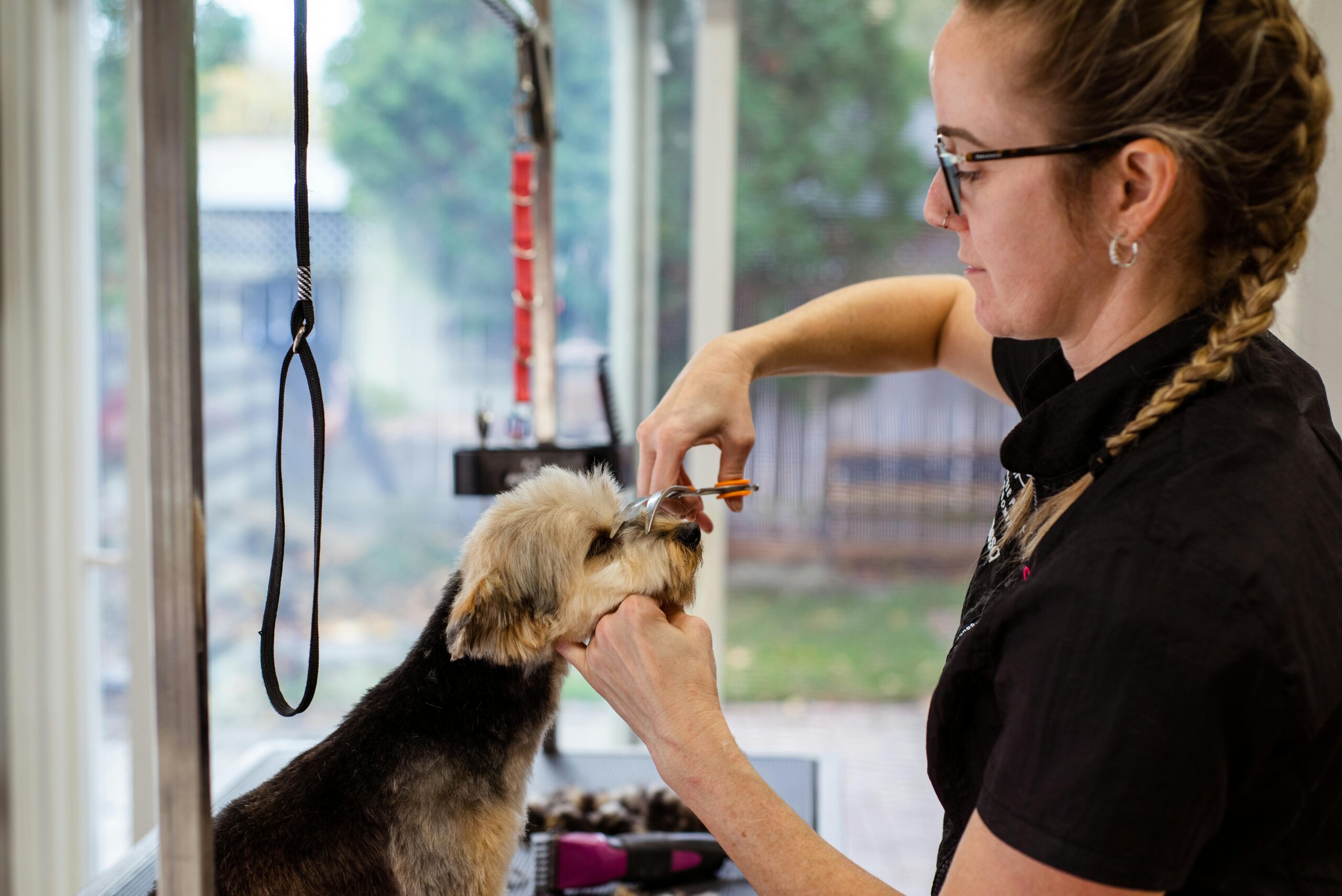
Renting a chair vs hiring a groomer: which works better for your salon?
Both models can be profitable. The one that’s right for you depends on how hands-on you want to be, what you can afford, and where you want to take the business.
You’ve got spare capacity. Maybe an empty table, a second bay, or just more hours in the week than you can fill alone. The question is whether you bring in a self-employed groomer to rent that space, take on an employed member of staff, or try some version of both. None of these is obviously right. They have different costs, different risks, and different implications for how your business actually works day to day.
This guide covers how each model works in practice, what the numbers look like, and the legal bits you need to get right.
How chair rental works in a UK grooming salon
Chair rental (sometimes called table rental) means you let a self-employed groomer use your space and equipment in exchange for a fixed fee or a percentage of their takings. They run their own business. You run yours. They bring their own clients, set their own prices, and take responsibility for their own tax and national insurance.
In practice, most rental arrangements in UK grooming salons cover:
- Use of the grooming table and bath
- Shared use of drying equipment
- Utilities (water, electricity)
- Basic consumables like shampoo, in some arrangements
What’s not included is anything to do with employment: no holiday pay, no sick pay, no pension contributions, no employer’s NI. That’s the main reason salon owners often start here.
How much to rent a table in a dog grooming salon
Rates vary quite a bit depending on location, what’s included, and whether the renter is newly qualified or established. Here’s what UK salon owners actually charge:
“Rental fees typically range from £500 to £1,000 per month, depending on location.”
Julian Sandy, Owner, Woofterz Dog Grooming“I use a percentage-based model, a 60:40 split of earnings. It means the renter’s fee scales with how busy they are, which feels fairer for both sides when someone’s just getting started.”
Lucy Baker, Owner, Shaggy & Chic“I charge newly qualified groomers 25% of each groom for the first six months. That covers all equipment except their own scissors and clippers. After six months it goes up to the standard rate.”
Jo Rumming, Owner, Jo’s Dog Shedd In| Rental model | Typical rate | Best for |
|---|---|---|
| Fixed monthly fee | £500-£1,000/month | Established renters with a steady client base |
| Percentage of takings | 25-40% to salon owner | Newer groomers building their client list |
| Daily rate | £40-£80/day | Part-time or occasional use |
| Intro rate for new qualifiers | 25% for first 6 months, then full rate | Newly qualified groomers who need time to build |
What it actually costs to hire an employed groomer
The salary is just the starting point. When you employ someone, the real cost is higher than the figure on their contract. Here’s what to factor in:
| Cost | Approx. amount | Notes |
|---|---|---|
| Salary (full-time groomer) | £22,000-£28,000/year | Varies by experience and location |
| Employer’s NI | ~13.8% above threshold | On earnings above £9,100/year (2025/26) |
| Auto-enrolment pension | Min. 3% of qualifying earnings | Mandatory for eligible employees |
| Holiday pay | 5.6 weeks/year statutory minimum | 28 days including bank holidays for full-time |
| Sick pay | £116.75/week statutory minimum | After 3 waiting days, up to 28 weeks |
| Equipment and consumables | Variable | You supply shampoos, towels, tools |
A groomer on a £25,000 salary costs you closer to £29,000-£31,000 once you add employer’s NI and pension. That’s before any training, uniform, or equipment costs. Worth knowing before you compare the two models against real revenue numbers.
Income examples: what each model looks like in practice
Fixed fee model
Renter pays £700/month. You earn £8,400/year from that table regardless of how many dogs they groom. Low risk, predictable income.
Percentage model
Renter earns £2,500/month. You take 35% = £875/month, roughly £10,500/year. Higher upside if they’re busy, lower if not.
Full-time hire
They groom 6 dogs/day at £51.68 avg = £310/day, ~£74,500/year revenue. Your total employment cost: ~£30,000. Profit from their work: ~£44,500 before other overheads.
Average booking value based on real service pricing data from the Tuft platform, July 2026.
The employed model has a much higher revenue ceiling, but also more risk. If they’re off sick, on holiday, or leave, that revenue stops. The rental model gives you steadier, lower income with almost no downside exposure.
The self-employment question: what HMRC actually says
This is the bit most guides skip, and it matters. HMRC has clear rules about what makes someone genuinely self-employed, and if your chair renter doesn’t meet them, you could be liable for unpaid employer’s NI and income tax. HMRC calls this “disguised employment.”
HMRC’s self-employment tests
For a renter to be genuinely self-employed, they should be able to demonstrate most of the following:
- They set their own hours and take their own bookings
- They can work for other salons or clients at the same time
- They set their own prices (not yours)
- They use their own tools where possible (scissors, clippers)
- They invoice you (or pay you a rental fee) rather than receiving a wage
- They’re registered with HMRC as self-employed and responsible for their own tax return
If your renter is only working in your salon, using all your equipment, working the hours you set, and seeing the clients you allocate to them, HMRC may treat them as an employee regardless of what your contract says.
If you’re unsure, the HMRC Check Employment Status for Tax (CEST) tool is free and gives you a written result you can rely on if HMRC ever questions the arrangement. It’s at gov.uk/guidance/check-employment-status-for-tax.
Get a proper rental agreement in place. It doesn’t need to be expensive. A clear written contract that sets out the rental terms, what’s included, house rules, and notice periods protects both of you. A solicitor can draft one for a few hundred pounds, or you can find templates through the British Dog Groomers’ Association.
The hybrid model
A lot of UK salon owners end up running both. They hire one employed groomer for consistency and brand control, and rent a second table to a self-employed groomer for the income without the overhead.
It can work well. But it does create complexity: you’re running two different relationships under the same roof, with different rules, different expectations, and potentially different pricing. Employed groomers sometimes resent renters who appear to earn more and have more freedom. That’s worth thinking through before you go down this route.
If you do run a hybrid, keep the two models clearly separated: separate booking systems or calendars, clear rules about shared equipment use, and transparent communication with both parties about how the setup works.
How a booking system fits into each model
This is where the practical difference between the models shows up day to day.
If you hire an employee, Tuft lets you add them as a staff member with restricted dashboard access. They get their own calendar, their own schedule, their own breaks. Pet owners using the Tuft app can even select them as a grooming preference for their dog, which is a nice touch for building client loyalty around individual groomers rather than just your salon as a whole. All the revenue still comes through your account.
Chair renters are a slightly different setup. Because they’re running their own business, they need their own Tuft account rather than being added to yours. That’s actually the right way to do it: their bookings, their clients, their payments. You don’t want their diary mixed up with yours, and having genuinely separate systems makes the self-employment arrangement cleaner if HMRC ever asks questions. Within their own account, renters can set their own opening hours, their own calendar, and their own break times independently of how you run the rest of the salon.
In short: employed staff get added to your Tuft account with their own calendar and restricted access. Renters set up their own account entirely. Both work well, and keeping them separate avoids a lot of admin confusion down the line.
Which model is right for you?
Chair rental suits you if…
- You have spare space but limited cash to take on payroll risk
- You want income without management responsibility
- You’re not ready to be someone’s employer
- You want to test the demand before committing to a hire
- You’re happy for the renter to build their own brand in your space
Hiring suits you if…
- You want full control over standards, pricing, and client experience
- You’re growing a brand, not just filling space
- You have consistent demand you can’t handle alone
- You want the revenue upside of someone grooming under your name
- You’re prepared to take on the legal and admin responsibility
Frequently asked questions
How much should I charge to rent a table in my dog grooming salon?
Most UK salon owners charge between £500 and £1,000 per month for a fixed fee, or take 25-40% of the renter’s takings on a percentage model. Location matters: London rates sit at the higher end. What’s included (shampoo, towels, equipment) also affects what’s reasonable to charge. Some owners offer a discounted intro rate for newly qualified groomers for the first six months, then move to the full rate once they’ve built their client base.
Is dog grooming profitable as a business?
Yes, but margins vary widely. A solo groomer doing 6 dogs per day at £55 average generates around £79,000 in annual revenue. Outgoings (rent, insurance, equipment, consumables, software) typically run £15,000-£25,000 for a fixed salon, leaving a reasonable profit for a well-run independent. Chair rental income adds to this without proportionally adding costs. The biggest profitability lever most groomers ignore is pricing: if you’re below the market average for your area, that’s the first thing to fix.
What’s the difference between hiring a self-employed groomer and an employed one?
A self-employed (chair renter) groomer runs their own business from your space. They set their own prices, manage their own clients, and handle their own tax. You charge them rent. An employed groomer works for you: you set their hours, pay their salary, handle their tax through PAYE, pay employer’s NI and pension contributions, and give them statutory holiday and sick pay. The employed model costs more but gives you much more control.
Can a chair renter be classed as an employee by HMRC?
Yes, if the arrangement looks like employment in practice. HMRC looks at whether the person is genuinely in business for themselves: do they set their own hours? Can they work elsewhere? Do they set their own prices? If the answer to most of these is no, HMRC may decide they’re actually an employee, and you’d be liable for unpaid employer’s NI and tax. Use the HMRC CEST tool to check your arrangement, and get a proper rental contract in place.
Do I need a contract for a chair rental arrangement?
Yes. A written agreement protects both you and the renter. It should cover: the rental fee and payment terms, what’s included (equipment, utilities, consumables), notice period for either party to end the arrangement, house rules (opening hours, hygiene standards, client communication), and confirmation that the renter is self-employed and responsible for their own tax. Without a contract, disputes about any of these become much harder to resolve.
What booking system should a chair renter use?
Their own, separate from yours. This keeps the arrangement genuinely separate, which matters for the self-employment test, and avoids clients getting confused about whose diary they’re booking into. Tuft is a good option: it’s free to start, covers online bookings, deposits, automated reminders, and pet profiles, and renters can set their own opening hours, calendar, and breaks independently. Takes about a day to set up. If you hire employed staff instead, you can add them directly to your own Tuft account with their own calendar and restricted access rather than giving them full dashboard control.
Can I run both models at the same time?
Yes. A lot of salon owners hire one employed groomer for control and brand consistency, then rent a second table for the income without the overhead. It works, but it adds complexity. Make sure the two arrangements are clearly separated, that both parties understand the setup, and that the renter genuinely meets HMRC’s self-employment tests independently of your employed staff arrangement.
Managing your salon as it grows
Whether you hire, rent, or both, Tuft keeps your bookings, payments, and client records in one place.